Introduction
In the fast-paced world of modern IT, managing infrastructure manually can be a time-consuming and error-prone process. Infrastructure as Code (IaC) offers a powerful solution to this challenge, enabling organizations to automate the provisioning, configuration, and management of their infrastructure using code. IaC brings the benefits of version control, consistency, scalability, and reproducibility to infrastructure management. In this blog post, we will explore what IaC is and how it empowers organizations to automate their infrastructure management effectively.
What is Infrastructure as Code (IaC)?
Infrastructure as Code (IaC) is a practice in which infrastructure configurations and management tasks are codified in machine-readable scripts or configuration files. These code representations serve as the source of truth for infrastructure components, allowing teams to automate the creation and management of infrastructure resources programmatically.
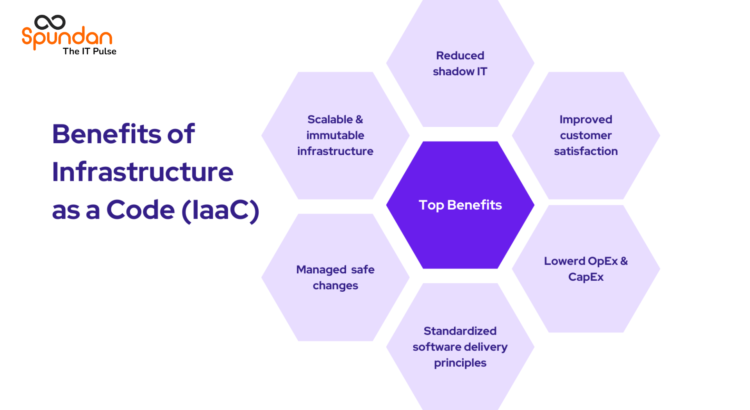
The Benefits of Infrastructure as Code
-
Version Control: With IaC, infrastructure configurations are treated as code and can be version-controlled using tools like Git. This enables teams to track changes, collaborate effectively, and roll back to previous versions when needed.
-
Consistency: IaC ensures that infrastructure resources are created and configured in a standardized and consistent manner. This eliminates configuration drift and reduces the risk of inconsistencies across environments.
-
Scalability: IaC facilitates the rapid and scalable provisioning of resources. Infrastructure changes can be applied automatically and consistently across multiple instances, reducing manual effort and speeding up deployments.
-
Reproducibility: By representing infrastructure as code, teams can recreate and reproduce environments reliably. This is especially valuable in development, testing, and disaster recovery scenarios.
-
Collaboration: IaC encourages collaboration between development, operations, and other teams. Infrastructure code becomes a shared and understood language, promoting communication and alignment.
Infrastructure as Code Tools and Techniques
-
Configuration Management Tools: Tools like Ansible, Chef, Puppet, and SaltStack allow you to define and manage infrastructure configurations declaratively. These tools automate the deployment and configuration of systems based on desired states.
-
Infrastructure Orchestration Tools: Tools like Terraform and AWS CloudFormation enable you to define the desired infrastructure as code and provision resources on various cloud platforms.
-
Containerization: Containerization platforms like Docker use IaC principles to define application dependencies, configurations, and environment setup in container images.
Implementing IaC in Your Organization
-
Infrastructure Design: Define the desired infrastructure architecture and resource configurations in code format.
-
Select IaC Tools: Choose the appropriate IaC tools that align with your organization’s needs and infrastructure requirements.
-
Version Control: Store infrastructure code in version control repositories to track changes and facilitate collaboration.
-
Automate Deployment: Use IaC tools to automate the deployment of infrastructure, whether on-premises or in the cloud.
-
Testing and Validation: Implement automated testing and validation of infrastructure code to catch errors early and ensure reliability.
-
Continuous Integration and Delivery (CI/CD): Integrate IaC into your CI/CD pipelines to automate infrastructure updates and deployments.
Best Practices for Infrastructure as Code
-
Modularity: Design infrastructure code with a modular approach, making it easier to manage and reuse components.
-
Immutable Infrastructure: Treat infrastructure as immutable, where changes result in new instances rather than modifying existing resources.
-
Documentation: Maintain clear and concise documentation for your infrastructure code to aid collaboration and understanding.
-
Security: Follow security best practices and ensure sensitive information in your infrastructure code is properly protected.
Conclusion
Infrastructure as Code (IaC) has become a game-changer in the realm of infrastructure management. By automating the provisioning, configuration, and management of infrastructure using code, organizations can achieve greater efficiency, consistency, and scalability. IaC empowers teams to embrace DevOps principles, foster collaboration, and deliver reliable and reproducible infrastructure. With the right tools, practices, and implementation, IaC becomes a powerful enabler of agile, automated, and efficient infrastructure management in the ever-evolving landscape of modern IT.