Introduction:
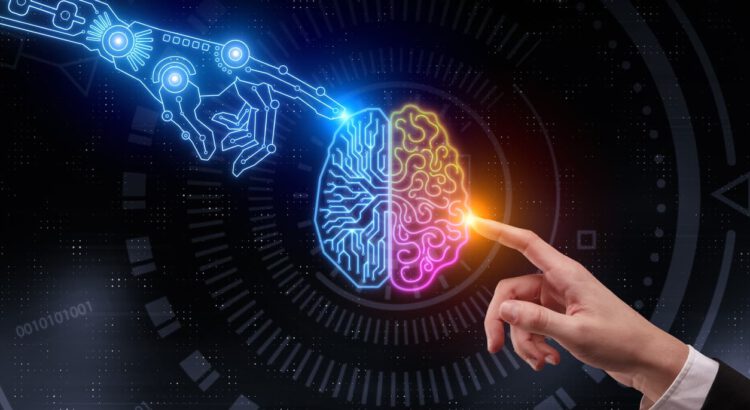
In today’s ever-evolving business landscape, the integration of Artificial Intelligence (AI) has become indispensable. AI not only enables businesses to predict customer behaviors but also enhances operational efficiency and creates personalized experiences. In this comprehensive exploration, we delve into how AI is reshaping industries and changing the way people interact with technology.
AI’s Role in Campaign Management:
AI’s impact on campaign management transcends mere optimization. AI-driven tools now dissect colossal datasets in real-time, identifying not only the most effective strategies but also emerging trends and even the sentiments of customers. This not only allows businesses to adapt swiftly but also positions them as trendsetters, delivering messages that resonate on a profound level.
Elevating Communication through AI:
AI’s role in communication extends beyond content personalization. It encompasses an array of technologies, including chatbots, virtual assistants, and voice recognition systems. These technologies streamline interactions, save time, and enhance customer satisfaction. AI-driven chatbots, for instance, can provide instant responses, handle routine tasks, and offer 24/7 support.
Machine Learning Prediction Unveiled:
Machine learning prediction is the bedrock of these transformative changes. It involves a spectrum of advanced algorithms, including linear and logistic regression, decision trees, neural networks, and more. These algorithms analyze historical data to forecast future outcomes with remarkable accuracy. Predictive models evolve continually, adapting to changing circumstances and data patterns.
Real-World Applications of Machine Learning Prediction:
The applications of machine learning prediction are as diverse as the industries it serves. In healthcare, it guides early diagnosis, optimizes treatment plans, and predicts patient outcomes. Financial institutions leverage AI to detect fraudulent transactions, forecast market trends, and manage risk. E-commerce giants use it for product recommendations, demand forecasting, and inventory management. Its omnipresence showcases its versatility and utility.
Why Machine Learning Prediction Matters:
Predictive analytics isn’t just about foreseeing the future; it’s about actively shaping it. Organizations equipped with predictive AI can anticipate customer churn, optimize resource allocation, and enhance supply chain efficiency. It’s a proactive approach to decision-making that translates into tangible success.
Diverse Users of Prediction AI:
The user base for prediction AI spans industries and individuals alike. It empowers organizations to make informed, data-driven decisions, from strategic choices to resource allocation. Simultaneously, individuals experience AI’s impact in daily life, from personalized content recommendations to the algorithms that curate social media feeds.
Addressing Common Prediction Queries:
- Selecting the Right Model: Choosing the appropriate predictive model hinges on factors such as data type, size, and computational resources. Comparative analysis often aids in model selection.
- Applications of Prediction: The scope of prediction AI extends to spam detection, healthcare, financial forecasting, and much more. It provides the foundation for strategic planning based on historical data.
- Interpreting Predictions: While AI models may not unveil their inner workings, their effectiveness lies in delivering actionable results. The focus should be on their ability to drive value and inform decisions.
AI vs. Traditional Methods:
AI stands as a testament to its superiority over traditional methods. Its capacity to process vast datasets, identify intricate patterns, and adapt swiftly to changing conditions is unparalleled. Traditional methods, often burdened by human biases and limitations in data processing, pale in comparison.
Predictive Analysis and Forecasting:
Predictive analytics, powered by AI, unlocks the full potential of historical data. It unveils hidden trends, informs strategic decisions, and drives efficiency gains. Envision anticipating customer demand, minimizing wastage, and improving real-time decision-making—all made possible by AI.
Key Trends in AI for 2023:
- Creative or Generative AI: AI is now creating original content, such as art, music, and designs, opening new possibilities while raising questions about the role of machines in creative endeavors.
- AI for Personalization: Personalization powered by AI enhances user experiences, boosts customer satisfaction, and transforms how businesses engage with their audience.
- Preparing for the AI Future: To fully benefit from AI’s advancements, spreading awareness and continuous education are crucial. AI’s role in various industries, from healthcare to transportation, promises transformative changes.
- Ethical AI: As AI’s influence expands, ethical considerations become paramount. Regulations and guidelines governing AI ethics will play a pivotal role in its development.
- AI in Healthcare: AI’s role in healthcare is evolving rapidly, from diagnostics to personalized treatment plans. Its ability to analyze medical images and predict patient outcomes is revolutionizing the industry.
- AI in Autonomous Vehicles: The integration of AI in self-driving cars is gaining momentum. As technology matures, AI promises to reshape transportation, making it safer and more efficient.
Conclusion: Embracing the AI Revolution:
The future of AI holds immense promise and potential. Embracing this technology and staying informed about its evolving trends is not just a choice but a necessity. As AI becomes increasingly integrated into our lives, it empowers us to focus on more complex and creative endeavors while addressing some of the most pressing challenges in various fields. With the right approach, we can harness the incredible capabilities of AI and shape a brighter future for all.