Introduction
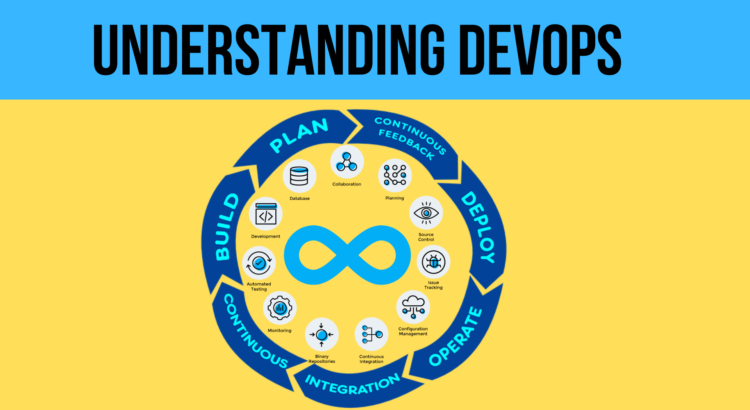
DevOps has developed as a transformational method that promotes collaboration, integration, and automation in the quickly evolving world of software development and IT operations. DevOps, a mix of “Development” and “Operations,” is a culture, set of practices, and philosophy aimed at bridging the gap between software development and IT operations teams. DevOps fosters faster delivery, higher quality, and greater customer happiness by promoting a continuous and iterative workflow. In this blog, we will discuss what DevOps is, its use cases and tactics, the fundamental distinctions it brings to old techniques, and its value to organizations.
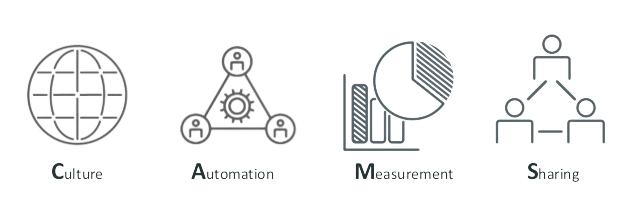
What is DevOps CAMS?
-
Culture: Talk to each other. Always Value People Over Processes and Tools.
-
Automation: Automation involves using tools and technologies to automate tasks such as code testing, deployment, and infrastructure management. Automation helps reduce the risk of human error, increase the reliability of software, and speed up the delivery process. Automation is not just a puppet or chef. Whatever you’re doing consistently, try to prefer automation. Automation is a good thing, but it doesn’t mean you need automation.
-
Measurement (Monitor): Measure To Improve. It’s not just about Infrastructure Measurement. There is Infrastructure Measurement that people do a lot of, but it should not be restricted to Infrastructure Management. There should be a Measurement of the Client’s Activity as well. And We extract the data, and after extracting the data, we must incentivize it.
-
Sharing: Share the Goal, Share Responsibility, Share ownership, and there should not be an escape goal. The feedback loop is important.
Use cases of DevOps
-
Continuous Integration and Continuous Deployment (CI/CD): DevOps promotes a continuous integration and deployment process, enabling development teams to merge code changes into a shared repository frequently. Automated testing and deployment pipelines streamline the process, reducing the chances of integration errors and enabling the rapid delivery of new features to end users.
-
Improved Collaboration: DevOps fosters a culture of collaboration between development and operations teams. By breaking down silos and encouraging shared responsibilities, communication, and knowledge exchange, organizations can achieve better results and faster problem-solving.
-
Automation: One of the core principles of DevOps is automation. By automating manual and repetitive tasks, such as testing, building, and deployment, teams can increase efficiency, reduce human errors, and save valuable time for more strategic initiatives.
-
Infrastructure as Code (IaC): DevOps encourages the use of Infrastructure as Code, allowing teams to define and manage infrastructure through code. This practice enables versioning, reproducibility, and easier scaling of infrastructure components.
-
Monitoring and Feedback Loops: DevOps emphasizes real-time monitoring of applications and infrastructure. By continuously collecting and analyzing data, teams can quickly identify and resolve issues, leading to better overall system performance.
Strategies of DevOps
-
Cultural Shift: DevOps is not just about tools and technologies; it requires a significant cultural shift within an organization. This includes fostering a collaborative environment, promoting open communication, and encouraging a mindset of continuous improvement.
-
Automation and Toolchain: Implementing the right tools and automation is crucial to successful DevOps adoption. CI/CD tools, configuration management systems, and monitoring solutions are essential components of the DevOps toolchain.
-
Microservices Architecture: DevOps is often closely associated with microservices architecture, where applications are broken down into smaller, loosely coupled services. This enables easier management, deployment, and scalability of the application components.
-
Security Integration: DevOps doesn’t neglect security. Integrating security practices into the DevOps workflow is vital to ensure that software is developed, deployed, and operated with strong security measures.
Difference between DevOps and Traditional Approaches
-
Siloed vs. Collaborative Culture: Traditional approaches often lead to a siloed culture, where development and operations teams work in isolation. In contrast, DevOps promotes collaboration and shared responsibilities.
-
Release Frequency: DevOps emphasizes continuous delivery, allowing organizations to release updates and features more frequently than traditional approaches, which often rely on infrequent and larger releases.
-
Time-to-Market: Due to automation, collaboration, and continuous integration, DevOps significantly reduces the time it takes to bring new features or products to market, giving organizations a competitive advantage.
-
Failure Handling: In traditional approaches, failures are often seen as negative events. In DevOps, failures are considered opportunities for learning and improvement, leading to a culture of blamelessness and resilience.
Conclusion
DevOps is a game-changer for organizations seeking to optimize their software development and IT operations processes. By fostering a culture of collaboration, automation, and continuous improvement, DevOps enables faster delivery of high-quality software, resulting in increased customer satisfaction. Embracing DevOps empowers organizations to break down barriers between teams, adopt modern software development practices, and stay ahead in today’s dynamic and competitive technology landscape. To succeed in this digital age, organizations must embrace DevOps and leverage its principles to build a culture of innovation and efficiency.